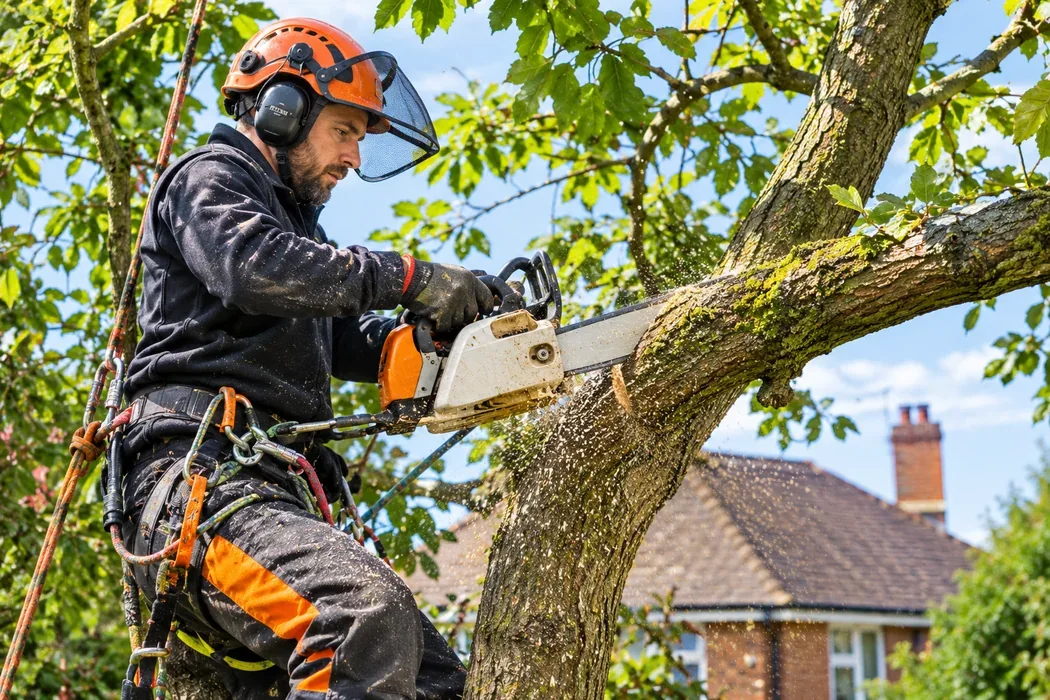
Define the work and access your team can handle
A single overhanging branch, crown reduction, full removal and large tree dismantling do not share the same risk or equipment requirements. Name the services you genuinely provide and give examples of the access constraints that affect an estimate.
If you do not carry out a particular operation or commercial contract size, avoid creating service pages that imply you do. Appropriate work is more valuable than simply receiving more calls.
Make safety and permissions part of the first conversation
Owners may be unaware of Tree Preservation Orders, conservation-area rules or wildlife protections. Explain that the relevant checks must be made before work starts and that not all exceptions apply.
Do not claim permission is unnecessary or automatic. For protected trees, explain who will seek appropriate consent and advise confirming the current position with the local planning authority.
Use completed work to explain judgement
Before-and-after photographs can help only if the explanation includes the tree’s condition, the reason for the intervention and the method of access. Ask permission before using private property images.
Avoid photographs that imply unsafe working. Where appropriate, describe equipment or traffic management without revealing private addresses or customer details.
| Enquiry type | What to establish | How to respond |
|---|---|---|
| Routine pruning | Tree type, access, photos and timing | Explain survey and permitted scope |
| Protected-tree concern | TPO or conservation-area status, consent route | Refer to council guidance before work |
| Complex dismantling | Site access, nearby assets, safety constraints | Arrange a suitable technical assessment |
Could more suitable customers find your business?
Request a free review of your website and local visibility, with no obligation to buy a service.
See How Your Business Could Improve →Build an enquiry path that reduces wasted visits
A good contact form asks for postcode, type of concern, approximate size, access photographs and urgency; it can ask whether the caller knows about any protection status, without making them responsible for interpreting regulations.
Offer a site assessment when images are insufficient; never promise to price a dangerous or complex operation remotely as though it were a simple maintenance task.
Find work through useful local explanations
Homeowners may search for storm damage, crown reductions, stump removal or protected-tree advice before they know which company to call. Publish straightforward guidance and link it to your genuine service area and available services.
Set truthful service boundaries. A national list of town names will not compensate for evidence of completed local work and real operating capacity.
Win repeat work without relying on cold outreach
Property managers, estate teams and commercial grounds contractors may have recurring requirements and stricter procurement paperwork. Show only certifications, insurances and capabilities you can substantiate.
Track one-off domestic enquiries separately from repeat commercial work; they have different values and sales cycles.
Actions to take this month
- Check every public credential and insurance statement
- Create separate service examples for pruning and complex work
- Explain TPO and wildlife considerations without overpromising
- Track surveys, quotes and completed jobs by type
Questions worth answering
Can work start immediately on a protected tree?
Not necessarily. TPO and conservation-area requirements vary, with specific exemptions; check the local authority and official guidance.
Do tree surgeons need a different approach for commercial clients?
Yes. Commercial buyers may require method statements, insurance evidence and scheduling information before engaging.
Further reading: official guidance. Check current requirements before relying on regulatory or eligibility information.