Separate window replacement from repairs and new builds
A misted sealed unit, a full-house replacement and a new window opening are very different enquiries. Clearly explain which you offer. If you only install certain materials or product systems, say so rather than presenting a universal catalogue of work you cannot undertake.
Show what an accurate quotation needs
Explain how frame material, glazing type, opening style, access and installation details affect scope. A good quotation journey can ask the number of windows and approximate sizes without promising a final price from a rough online estimate. Make it clear when a home survey is required.
Demonstrate the standard of installation
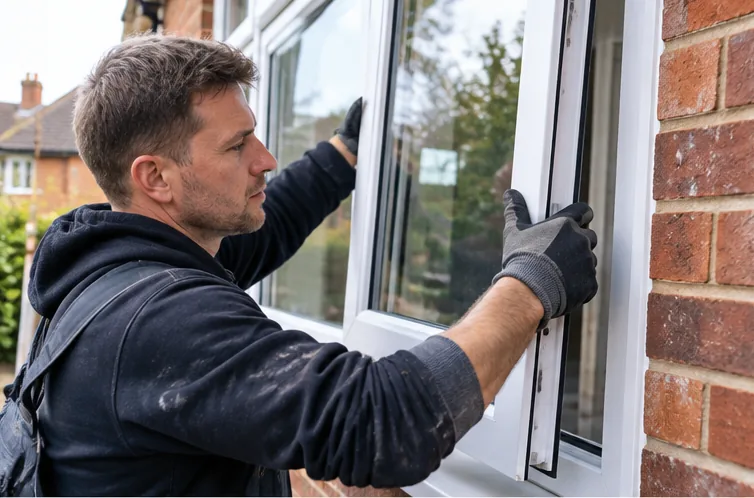
Use real job photographs showing finished frames, internal making good and external sealing, with permission. Explain how the survey, installation, disposal and follow-up are handled. Do not invent accreditation, warranty coverage, energy savings or compliance status.
Understand the customer’s comparison process
Homeowners may already have several quotations with different frame profiles, glazing options and included works. Rather than claiming the cheapest price, publish a guide to what buyers should compare: product specification, fitting scope, disposal, making good, access and aftercare. Explain the difference between a preliminary online estimate and a survey-confirmed proposal. This approach attracts customers who want to understand value instead of selecting on one headline amount.
| Enquiry or customer | What they need to know | Practical improvement |
|---|---|---|
| Single-window replacement | Scope, measurement and matching details | A short survey request |
| Whole-house windows | Materials, phases and disturbance | Project examples and clear process |
| Specialist glazing | Specification and suitability | Trade expertise supported by genuine examples |
Improve your window quotation journey
- Audit claims about efficiency and warranties
- Publish permissioned completed installation photos
- Clarify what the initial quote does and does not include
- Track surveys and signed orders by project category
Make image captions earn their place
A finished window photograph is helpful, but a case example explaining the opening style, property type, internal finish and replacement constraints is better. Only publish real customer work with permission. Avoid fabricating savings, ratings or testimonials. If you have certification relevant to your work, display the correct current details and what that certification covers. A genuinely useful explanation can help customers trust a smaller installation firm.
Could more suitable customers find your business?
Get a free, no-obligation review of where you could improve online visibility.
See How Your Business Could Improve →Track the complete journey, including surveys
Website forms alone do not show whether the business is growing. Record leads, arranged measurements, quotations, order values and completed installations. Split single-unit repairs from full-home projects so the averages are meaningful. When enquiries are plentiful but surveys do not turn into contracts, revisit the product explanation, trust signals and written scope before spending more on visibility. A good strategy makes quoting time as productive as possible.
Help homeowners compare products honestly
A guide to uPVC versus aluminium or double versus triple glazing should discuss suitability and what buyers should ask. Avoid claiming that one product saves an exact amount on every home. Good advice builds trust among homeowners who have already received confusing quotations.
Report enquiries by project size and type
Record small replacements, complete houses and specialist projects separately, including surveys booked and contracts accepted. If most leads are price-only enquiries, revisit the product and installation information before simply paying for more clicks.